
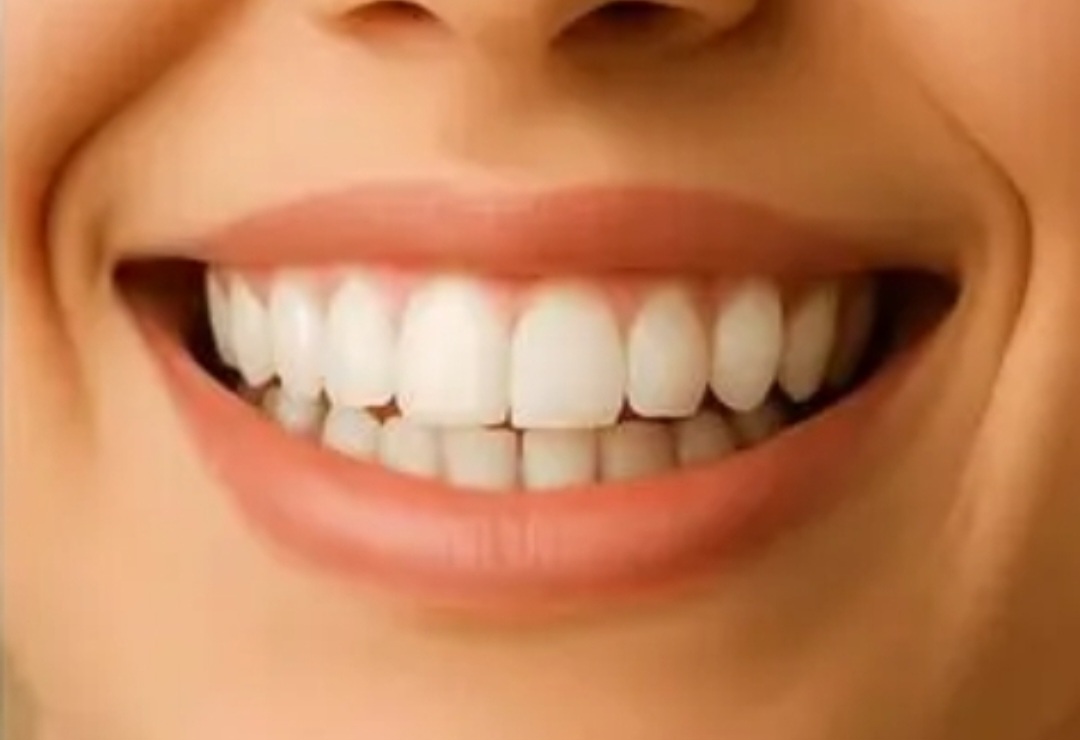
Natural Teeth Whitening at Home: A Safer, Simpler Way to Brighten Your Smile
Looking for a whiter smile without the high cost or harsh chemicals found in many commercial whitening treatments? You’re not alone. More people are turning to natural, at-home options to gently brighten their teeth—without relying on aggressive bleaches or expensive dental visits.
If you’ve noticed stains from coffee, tea, or everyday foods, there’s good news: a few simple ingredients may help improve your smile safely when used correctly and in moderation.
In this guide, we explore a well-known natural method using baking soda and hydrogen peroxide to help polish away surface stains and freshen your mouth. When used responsibly, this combination can be an affordable and effective addition to your oral care routine.
Why Choose Natural Whitening?
Many over-the-counter whitening products contain strong bleaching agents that may cause tooth sensitivity or gum irritation. While effective for some people, these products aren’t suitable for everyone—especially those with sensitive teeth, enamel erosion, or existing dental work.
Natural whitening methods appeal to people who want:
gentler alternatives
more control over ingredients
budget-friendly options
fewer side effects
The key is choosing methods that are safe, moderate, and evidence-supported.
The Problem With DIY Whitening Fads
You may have seen trends like rubbing banana peels on teeth, brushing with charcoal, or using abrasive substances to whiten enamel. While popular online, many of these techniques lack solid scientific backing and may damage enamel or irritate gums if used incorrectly or too often.
Rather than experimenting with unproven methods, it’s safer to stick with a balanced, widely used approach—such as a baking soda and hydrogen peroxide paste.
Baking Soda and Hydrogen Peroxide: How It Works
Baking soda (sodium bicarbonate) is a mild abrasive that helps remove surface stains.
Hydrogen peroxide is a gentle bleaching agent commonly used in dental products to reduce discoloration.
When combined, they create a paste that can:
help lift surface stains
reduce odor-causing bacteria
leave your mouth feeling fresher
This method works best for external stains, not deep or intrinsic discoloration.
Ingredients
2 teaspoons baking soda
Hydrogen peroxide (just enough to form a thick paste)
Optional: 1 drop of food-grade peppermint essential oil for freshness
How to Use
Make the paste
Mix baking soda with a small amount of hydrogen peroxide until smooth and spreadable. Add peppermint oil if desired.
Brush gently
Using a soft-bristled toothbrush, apply the paste with light, circular motions. Avoid scrubbing aggressively.
Let it sit briefly
Leave the paste on your teeth for 1–2 minutes only.
Rinse thoroughly
Rinse your mouth well with water to remove all residue.
Brush normally
Follow up with your regular fluoride toothpaste.
How Often Should You Use It?
Use this method no more than once per week.
Overuse may:
weaken enamel
increase tooth sensitivity
irritate gums
Most people notice mild brightening after several weeks of consistent but moderate use. Remember, this method won’t change your natural tooth color or fix deep stains caused by medication or trauma.
Important Safety Tips
Talk to Your Dentist
If you have sensitive teeth, gum disease, enamel erosion, crowns, veneers, or fillings, consult your dentist before trying any whitening method.
Use Gentle Pressure
Even mild abrasives can cause damage if used aggressively. Always brush lightly with a soft toothbrush.
Watch for Sensitivity
If you experience pain, irritation, or increased sensitivity, stop immediately and allow your mouth to recover.
Do Not Swallow
Hydrogen peroxide should not be ingested. Always rinse thoroughly after use.
Tips to Keep Your Smile Naturally White
Whitening works best when paired with good daily habits:
Brush twice daily with fluoride toothpaste
Floss every day
Drink water after meals
Limit coffee, tea, red wine, and soda
Avoid smoking or tobacco products
Eat crunchy fruits and vegetables like apples and carrots
Final Thoughts
A brighter smile doesn’t always require expensive treatments or harsh chemicals. With consistency, moderation, and care, natural methods like baking soda and hydrogen peroxide can help support your whitening goals while respecting your dental health.
Whitening isn’t one-size-fits-all. Results vary depending on enamel strength, lifestyle habits, and overall oral care. Listen to your body—and your dentist—and choose an approach that’s safe, sustainable, and right for you.
A confident smile starts with healthy habits. 😊