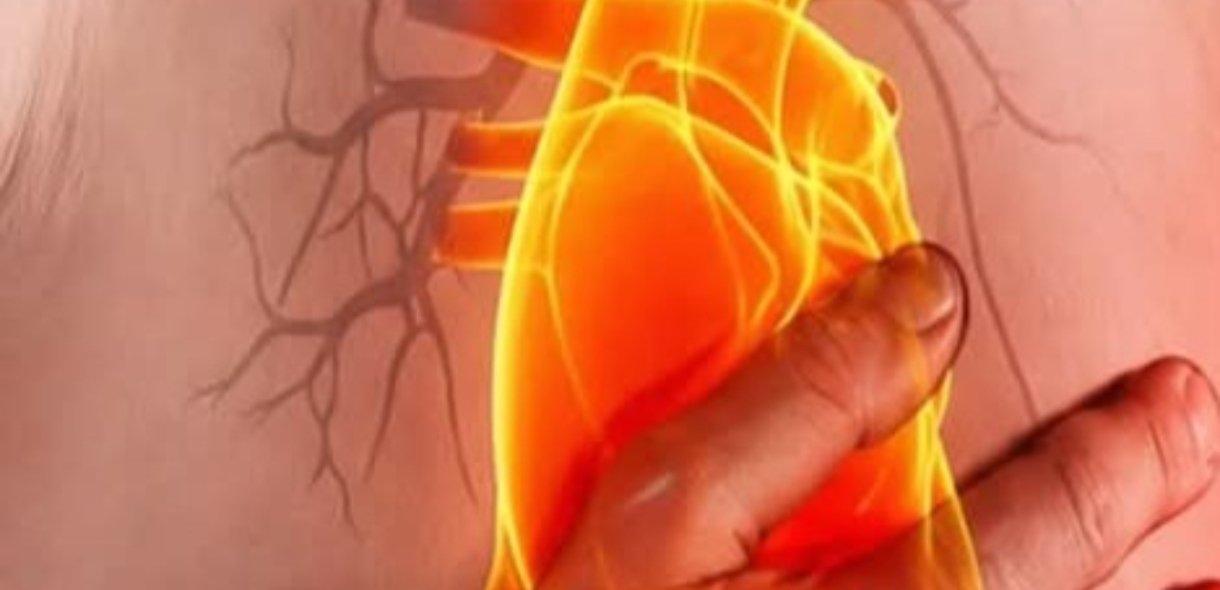
Unusual and ongoing fatigue is one of the earliest warning signs. If you feel constantly tired without a clear reason—even after adequate rest—it may indicate that your heart is struggling to pump blood efficiently. Reduced blood flow can lead to extreme exhaustion.2. Abdominal PainSurprisingly, abdominal discomfort is present in nearly 50% of heart attack cases. This pain can appear weeks before the event and is often mistaken for digestive issues. If you experience unexplained stomach pain, it’s worth paying attention.3. InsomniaDifficulty sleeping can be an early indicator of heart problems. Studies show that around 40% of women who experienced heart attacks reported insomnia beforehand. Trouble falling or staying asleep may be your body signaling underlying stress or cardiovascular strain.4. Shortness of BreathFeeling breathless, especially during light activity or even at rest, is a serious warning sign. When the heart cannot pump properly, oxygen supply to the brain and body decreases, leading to dizziness and breathing difficulties.5. Excessive SweatingUnexplained and excessive sweating—especially when not caused by heat or physical activity—can be a red flag. Sudden cold sweats may indicate that your body is under stress due to poor circulation or heart strain.6. Swelling (Edema)When the heart isn’t functioning efficiently, fluid can build up in the body. This may cause noticeable swelling in the legs, ankles, feet, or even hands. Fluid retention is often linked to reduced blood circulation.7. Chest Pain or DiscomfortChest pain is one of the most well-known symptoms of a heart attack. However, it may begin as mild discomfort weeks earlier. You might feel pressure, tightness, or a burning sensation in the chest—symptoms that should never be ignored.Final ThoughtsYour body often provides early warnings before a heart attack occurs. Paying attention to these signs can help you seek medical advice in time and potentially prevent a life-threatening situation.If you or someone you know is experiencing multiple symptoms from this list, it’s important to consult a healthcare professional promptly. Early detection can save lives.
7 Warning Signs Your Body May Show a Month Before a Heart Attack